• Skip to main content
  • Skip to secondary menu
  • Skip to primary sidebar
  • Skip to secondary sidebar

Building Advisor

Practical Building Advice

search icon

Search This Site

search icon
  • About Us
  • Contact Us
  • HOME
  • BUYING LAND
    • OVERVIEW
    • GETTING STARTED
    • LAND CHECKLIST
    • IS IT BUILDABLE?
    • ZONING
    • LAND REGULATIONS
    • SEPTIC SYSTEMS
    • WATER WELLS
    • SITING A HOUSE
    • SITE EVALUATION
    • QUESTIONS TO ASK WHEN BUYING LAND
    • SITE DEVELOPMENT BUDGETING
    • TYPICAL COSTS
    • REAL ESTATE AGENTS
    • MAKING AN OFFER
    • LESSONS LEARNED
  • DESIGN
    • OVERVIEW
    • PLANS & SPECS
    • SITE PLANNING
    • SITING A HOUSE
    • FLOOR PLANS
    • HIRING AN ARCHITECT
    • HIRING A DESIGNER
    • DESIGN-BUILD CONTRACTORS
  • HIRING
    • OVERVIEW
    • GETTING STARTED
    • TASKS & PLAYERS
    • ARCHITECTS
    • DESIGNERS
    • CONTRACTORS
    • SUBCONTRACTORS
    • DESIGN-BUILD CONTRACTORS
    • CONSTRUCTION MANAGERS
    • OWNER-BUILDERS
    • REAL ESTATE AGENTS
  • ESTIMATING
    • OVERVIEW
    • COST OVERRUNS
    • PRELIMINARY BUDGETING
    • BALLPARK ESTIMATES
    • PRICING GUIDES
    • CONTRACTOR ESTIMATES
    • OWNER-BUILDER ESTIMATES
    • REMODELING ESTIIMATES
    • STEP-BY-STEP GUIDE
    • OVERHEAD & PROFIT
    • ESTIMATING SPREADSHEET
    • ESTIMATING FAQs
  • BIDDING
    • OVERVIEW
    • PRICING THE JOB
    • FIXED-PRICE BIDS
    • COST-PLUS BIDS
    • DESIGN-BUILD BIDS
    • NEGOTIATED BIDS
  • CONTRACTS
    • OVERVIEW
    • CONTRACT BASICS
    • CRITICAL CLAUSES
    • STANDARD CONTRACTS
    • MODEL CONTRACT
    • SIMPLE PROPOSALS
    • WRITTEN SPECS
    • ALLOWANCES
    • CHANGE ORDERS
    • DOCUMENTATION
    • DISPUTE RESOLUTION
  • FINANCE
    • OVERVIEW
    • WHAT’S YOUR BUDGET?
    • GETTING BIDS
    • OVERHEAD & PROFIT
    • CONSTRUCTION LOANS
    • DOWN PAYMENTS
    • DRAW SCHEDULES
    • ALLOWANCES
    • CHANGE ORDERS
    • LIEN WAVERS
    • THE FINAL CHECK
  •   
  • WELLS
    • OVERVIEW
    • WELL DRILLING
    • FROM WELL TO TAP
    • WATER QUALITY
    • WATER TREATMENT
  • SEPTIC
    • OVERVIEW
    • HOW IT WORKS
    • PERC TESTING
    • ALTERNATIVE SEPTIC SYSTEMS
    • SEPTIC SYSTEM MAINTENANCE
    • SEPTIC SYSTEM FAQs
  • FOUNDATIONS
    • OVERVIEW
    • DRY BASEMENT DETAILS
    • SITE DRAINAGE
    • WATERPROOFING
    • BASEMENT INSULATION
    • CRAWLSPACES
    • SITE EVALUATION
    • SITING A HOUSE
  • EXTERIORS
    • OVERVIEW
    • ALL EXTERIORS LEAK
    • RAIN-SCREEN WALLS
    • SHEATHING WRAP
    • WINDOW FLASHING
    • WALL FLASHING
    • FLASHING MEMBRANES
    • METAL FLASHINGS
    • PAINTING & STAINING
  • DECKS
    • OVERVIEW
    • STRUCTURAL DETAILS
    • FRAMING MATERIALS
    • DECK RAILINGS
    • WOOD DECKING
    • COMPOSITE DECKING
    • DECK STAINS & FINISHES
    • FASTENERS & CONNECTORS
  • FREE FORMS
    • FORMS INDEX
  • BUILDING FAQ’S
    • BROWSE Q&A’s
    • Q&A INDEX
You are here: Home / MANAGE YOUR PROJECT / CONSTRUCTION CONTRACTS / CONSTRUCTION CONTRACTS: KEY CLAUSES / MATCH EXISTING in Remodeling Contracts

MATCH EXISTING in Remodeling Contracts

View all KEY CONTRACT CLAUSES       View all CONTRACT articles

The words “Match Existing” appear in the plans or specs for many remodeling jobs, in which the owner or designer wants the new work to blend in with the existing structure. The phrase may be applied to the color or texture of roofing, stucco, siding, plaster, flooring, or just about any material. Or it may refer to the shape of a molding or other piece of woodwork.
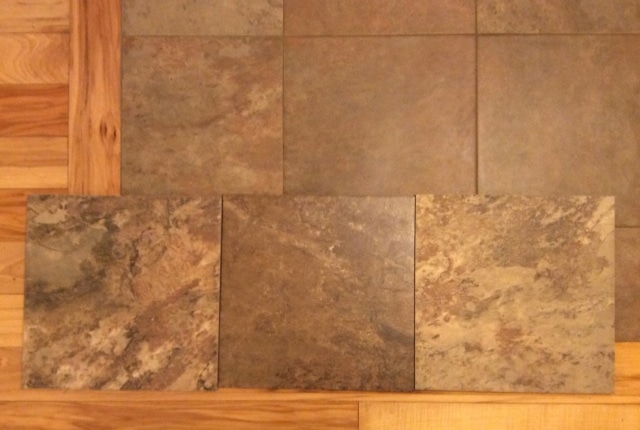
matching existing finishes is difficult.
The middle tile sample was a good enough match to existing for the customer. A perfect match is often not possible.

If you’ve ever tried to “match existing” yourself, then you know how difficult this can be. Modern, computerized paint matching systems, available at almost any paint store today, have solved the problem pretty well for paint. However, all materials fade (or darken) over time, and some materials are simply no longer available, so an exact match is impossible – or very expensive as it would involve custom fabrication of that molding, door, or whatever it is you are trying to match. And even if the exact same material is available, it will probably not match until it has weathered or faded over time.


Contractors try to deal with this by putting various disclaimers in their contracts, or procedures for having the owner or architect approve the match. The disclaimers usually state that the contractor will make his best effort to match, but that an exact match is often not possible. It may go on to state that there will be an extra charge for special-order or custom work if stock materials are not acceptable. Some contracts include a procedure for submitting the matching material to the owner or architect for approval, giving the contractor final say if nothing is approved after a good-faith effort on his part.

As an owner, I would like the contract to state that “Contractor is to match the existing roofing, as approved by the owner [or architect].” However, as a former contractor, I wouldn’t expect a perfect match, so I’m a pretty easy customer in this regard.

This is an area that requires a reasonable attitude and give-and-take on both sides. For renovations, hire a contractor with a lot of experience in remodeling, as this involves a different skill set than new construction. Discuss your expectations up front, look at some samples, and work out a mutually acceptable solution. In many cases, a perfect match is not possible, but a skilled craftsman can get pretty close.


Square and level. This is a special type of matching required in remodeling work, especially on older homes. In general, it’s a bad idea to connect something square and level to an old building that has sagged and sloped. You’ll end up with an awkward place to trip on the floor or an unsightly seam on the wall. A skilled remodeler will do his best to fudge the connection and blend things together. The contract may call this out in the contract with a disclaimer that the new work may need to be out of level to match the existing. Again, hire an experienced contractor with a good track record on similar jobs and you’ll probably be happy with the results.

 Bottom line. In remodeling, a perfect match to existing materials is not always possible. Find a good contractor with extensive experience in renovations and work out an acceptable match. The contract should require that matches be approved by the owner (or architect).

View all KEY CONTRACT CLAUSES       View all CONTRACT articles     Back to Top

Reader Interactions

Leave a Reply Cancel reply

Your email address will not be published. Required fields are marked *

Primary Sidebar

Visit Inspectapedia.com our Sister Site

Secondary Sidebar


ESTIMATING SPREADSHEET SPECIAL

Only $19.95 for Lifetime License LEARN MORE


Share this article

Recent Posts

  • Best Approach to Hot-Climate Cathedral Ceiling
  • Frost-Protected Shallow Foundations
  • Patios & Decks for Coastal Homes
  • Can I Foam Basement Wall With Existing Studs?
  • Is Top Railing On Deck Code-Approved?

Copyright © 2026 · Magazine Pro for Building Advisor on Genesis Framework · WordPress · Log in