• Skip to main content
  • Skip to secondary menu
  • Skip to primary sidebar
  • Skip to secondary sidebar

Building Advisor

Practical Building Advice

search icon

Search This Site

search icon
  • About Us
  • Contact Us
  • HOME
  • BUYING LAND
    • OVERVIEW
    • GETTING STARTED
    • LAND CHECKLIST
    • IS IT BUILDABLE?
    • ZONING
    • LAND REGULATIONS
    • SEPTIC SYSTEMS
    • WATER WELLS
    • SITING A HOUSE
    • SITE EVALUATION
    • QUESTIONS TO ASK WHEN BUYING LAND
    • SITE DEVELOPMENT BUDGETING
    • TYPICAL COSTS
    • REAL ESTATE AGENTS
    • MAKING AN OFFER
    • LESSONS LEARNED
  • DESIGN
    • OVERVIEW
    • PLANS & SPECS
    • SITE PLANNING
    • SITING A HOUSE
    • FLOOR PLANS
    • HIRING AN ARCHITECT
    • HIRING A DESIGNER
    • DESIGN-BUILD CONTRACTORS
  • HIRING
    • OVERVIEW
    • GETTING STARTED
    • TASKS & PLAYERS
    • ARCHITECTS
    • DESIGNERS
    • CONTRACTORS
    • SUBCONTRACTORS
    • DESIGN-BUILD CONTRACTORS
    • CONSTRUCTION MANAGERS
    • OWNER-BUILDERS
    • REAL ESTATE AGENTS
  • ESTIMATING
    • OVERVIEW
    • COST OVERRUNS
    • PRELIMINARY BUDGETING
    • BALLPARK ESTIMATES
    • PRICING GUIDES
    • CONTRACTOR ESTIMATES
    • OWNER-BUILDER ESTIMATES
    • REMODELING ESTIIMATES
    • STEP-BY-STEP GUIDE
    • OVERHEAD & PROFIT
    • ESTIMATING SPREADSHEET
    • ESTIMATING FAQs
  • BIDDING
    • OVERVIEW
    • PRICING THE JOB
    • FIXED-PRICE BIDS
    • COST-PLUS BIDS
    • DESIGN-BUILD BIDS
    • NEGOTIATED BIDS
  • CONTRACTS
    • OVERVIEW
    • CONTRACT BASICS
    • CRITICAL CLAUSES
    • STANDARD CONTRACTS
    • MODEL CONTRACT
    • SIMPLE PROPOSALS
    • WRITTEN SPECS
    • ALLOWANCES
    • CHANGE ORDERS
    • DOCUMENTATION
    • DISPUTE RESOLUTION
  • FINANCE
    • OVERVIEW
    • WHAT’S YOUR BUDGET?
    • GETTING BIDS
    • OVERHEAD & PROFIT
    • CONSTRUCTION LOANS
    • DOWN PAYMENTS
    • DRAW SCHEDULES
    • ALLOWANCES
    • CHANGE ORDERS
    • LIEN WAVERS
    • THE FINAL CHECK
  •   
  • WELLS
    • OVERVIEW
    • WELL DRILLING
    • FROM WELL TO TAP
    • WATER QUALITY
    • WATER TREATMENT
  • SEPTIC
    • OVERVIEW
    • HOW IT WORKS
    • PERC TESTING
    • ALTERNATIVE SEPTIC SYSTEMS
    • SEPTIC SYSTEM MAINTENANCE
    • SEPTIC SYSTEM FAQs
  • FOUNDATIONS
    • OVERVIEW
    • DRY BASEMENT DETAILS
    • SITE DRAINAGE
    • WATERPROOFING
    • BASEMENT INSULATION
    • CRAWLSPACES
    • SITE EVALUATION
    • SITING A HOUSE
  • EXTERIORS
    • OVERVIEW
    • ALL EXTERIORS LEAK
    • RAIN-SCREEN WALLS
    • SHEATHING WRAP
    • WINDOW FLASHING
    • WALL FLASHING
    • FLASHING MEMBRANES
    • METAL FLASHINGS
    • PAINTING & STAINING
  • DECKS
    • OVERVIEW
    • STRUCTURAL DETAILS
    • FRAMING MATERIALS
    • DECK RAILINGS
    • WOOD DECKING
    • COMPOSITE DECKING
    • DECK STAINS & FINISHES
    • FASTENERS & CONNECTORS
  • FREE FORMS
    • FORMS INDEX
  • BUILDING FAQ’S
    • BROWSE Q&A’s
    • Q&A INDEX
You are here: Home / Design / Best Material For Chimney Caps?

Best Material For Chimney Caps?

November 9, 2018 by buildingadvisor Leave a Comment

Q: I am planning to make a chimney top with aluminum covered by copper. Does there need to be any type of barrier between the two because of heat, ash, or wood smoke? What material do you recommend? – Pat
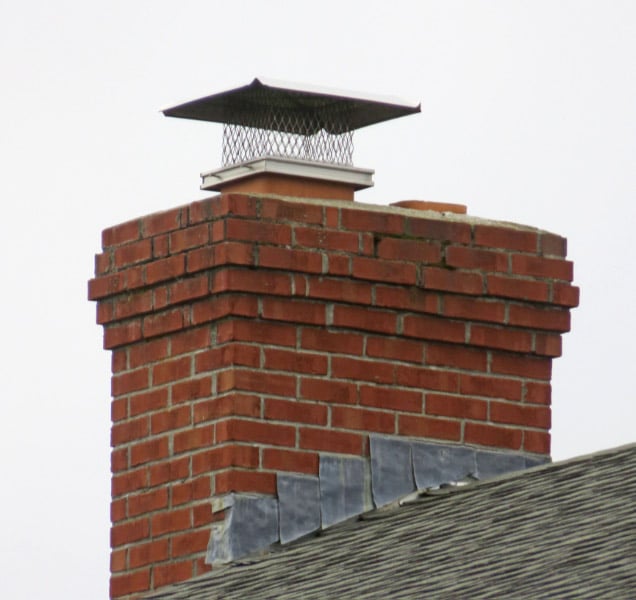
A chimney cap with screen keeps out moisture and animals and prevent embers from starting fires.
A basic chimney cap with screen keeps critters and moisture our and burning embers in.

A: For the longest lasting chimney cap, the recommended materials are stainless steel or copper. Caps made with these usually come with a lifetime warranty. Galvanized steel and aluminum may rust out within a few years unless you are in an arid area such as the U.S. Southwest. So I’m not sure why you want to place a copper cap over aluminum.

Metal caps are naturally fireproof, so no heat barrier is needed.

Chimney caps are a good idea that perform a number a functions. Caps with screening keep squirrels, birds, and other critters out of the flue. The screening also keeps fireplace embers from flying out of the flue and potentially causing a fire. All caps keep out rain, snow, and other moisture that can promote deterioration of the flue, whether metal or traditional clay tile.
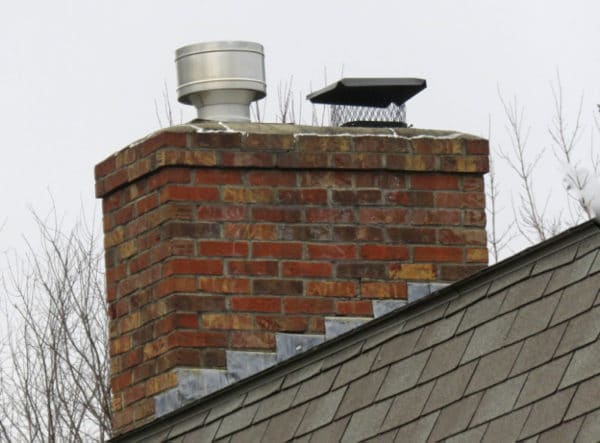

Match the chimney cap to the flue type.
The cap on the left is designed for a gas boiler. On the right is a fireplace flue.
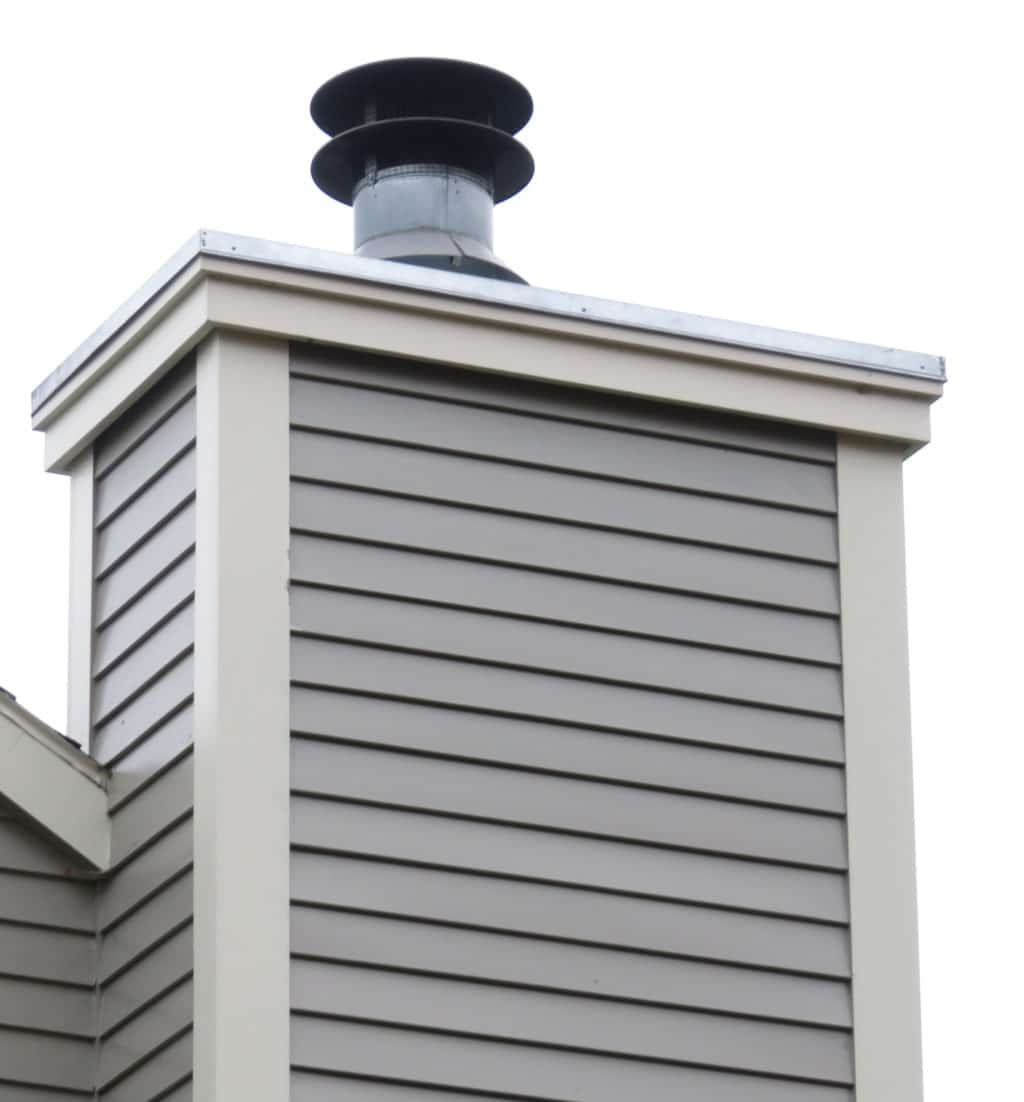
Flue caps for metal flus should be approved by manufacturer.
Metal flues, like this one for a manufactured fireplace, should have caps approved by the manufacturer.


A full-size, multi-flue design that covers the entire chimney top can also help protect the concrete chimney crown from deterioration. Concrete caps tend to develop cracks over time allowing water to deteriorate the brick. Caps made from masonry mortar fail very quickly.
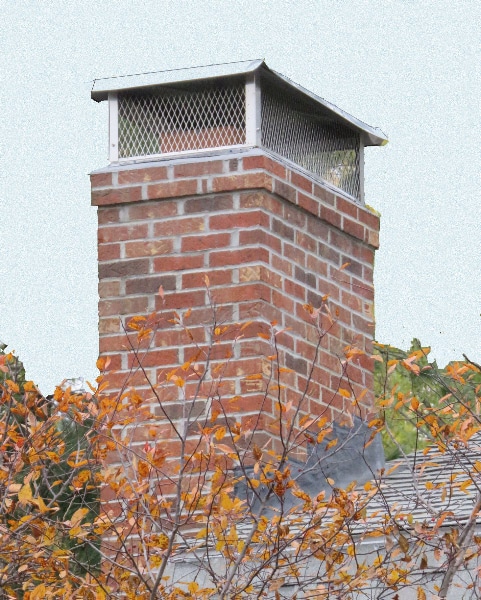
Custom multi-flue chimney cap protects crown.
A custom multi-flue cap protects the concrete chimney crown as well as the flues.

A properly designed cap, with a minimum 5-inch clearance from the top of flue, should not interfere with chimney draft. However, if the draft is inadequate this should be addressed before considering a chimney cap. There are many possible causes of poor draft including a blocked flue, wrong flue size (too small or too large), equipment problems, poor fireplace design, or a cold flue. Some caps are designed to increase the draft, but these require expert installation.


Other issues to keep in mind:


  • Do not install caps on metal chimneys unless the cap is designed and approved for the specific system.
    If you have a gas-fired water heater, boiler, or furnace, only use a cap that is UL-listed and code-approved.
  • Inspect the cap periodically to make sure the cap has not shifted or the screening is not blocked, interfering with the draft.
  • Use Tapcon screws or other masonry fasteners to secure the cap. Don’t rely only on an adhesive. This prevents the cap from shifting over time or blowing away in a strong wind.
  • Consider hiring a chimney sweep or other chimney specialist to install the cap.
  • Make sure you have working smoke and CO detectors on every floor.

– Steve Bliss, Editor, BuildingAdvisor.com

See Also  Metal Flashing Materials

Filed Under: Design, Exteriors Tagged With: Flashing

Reader Interactions

Leave a Reply Cancel reply

Your email address will not be published. Required fields are marked *

Primary Sidebar

Visit Inspectapedia.com our Sister Site

Secondary Sidebar


ESTIMATING SPREADSHEET SPECIAL

Only $19.95 for Lifetime License LEARN MORE


Share this article


Q&A INDEX


Recent Posts

  • Best Approach to Hot-Climate Cathedral Ceiling
  • Frost-Protected Shallow Foundations
  • Patios & Decks for Coastal Homes
  • Can I Foam Basement Wall With Existing Studs?
  • Is Top Railing On Deck Code-Approved?

Copyright © 2026 · Magazine Pro for Building Advisor on Genesis Framework · WordPress · Log in